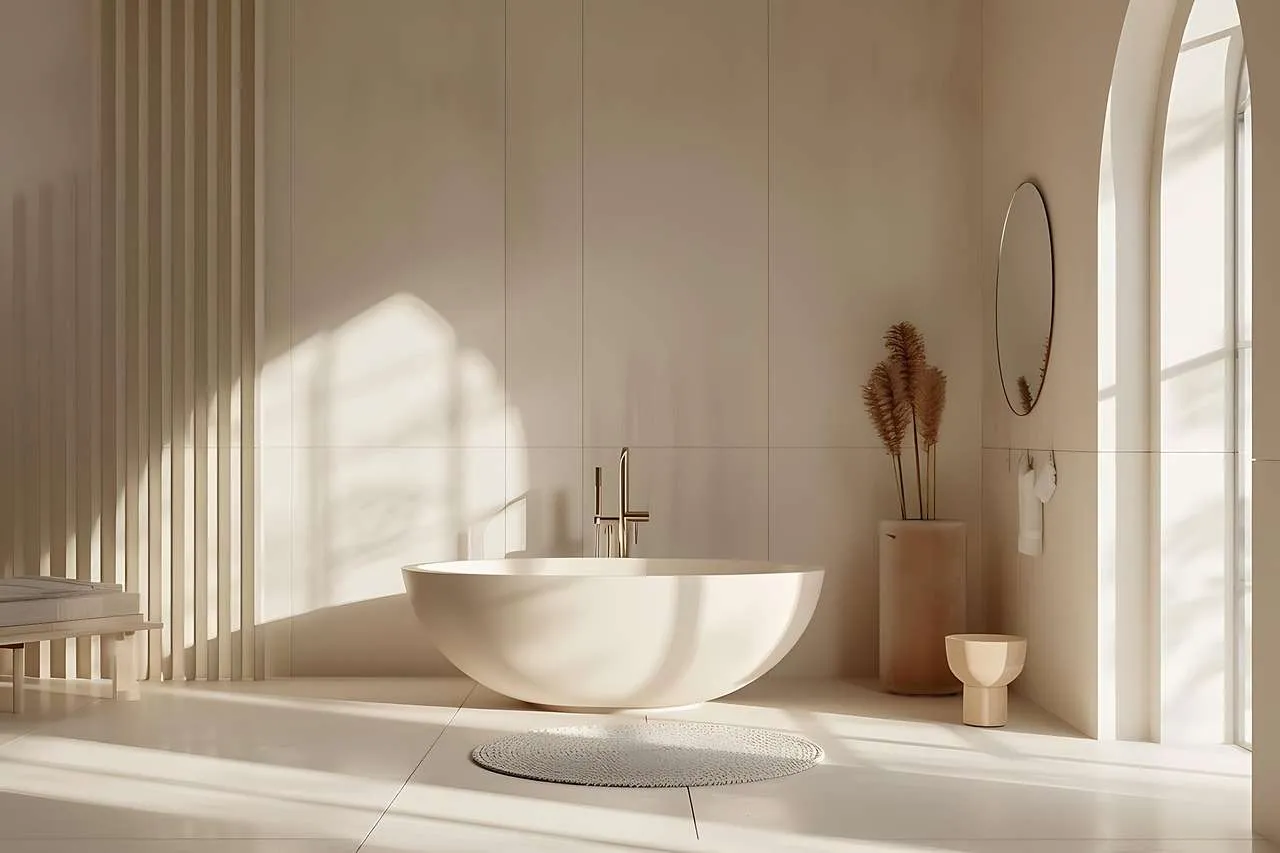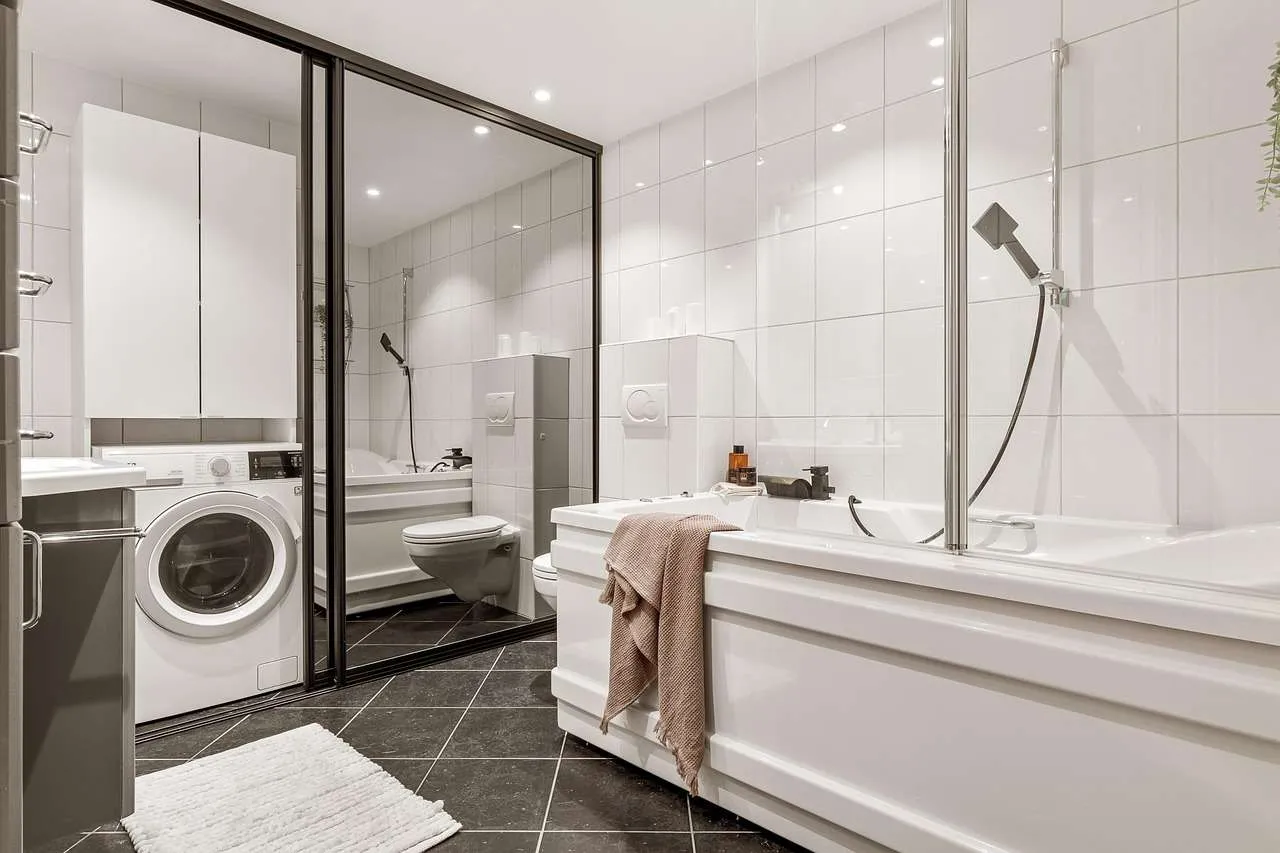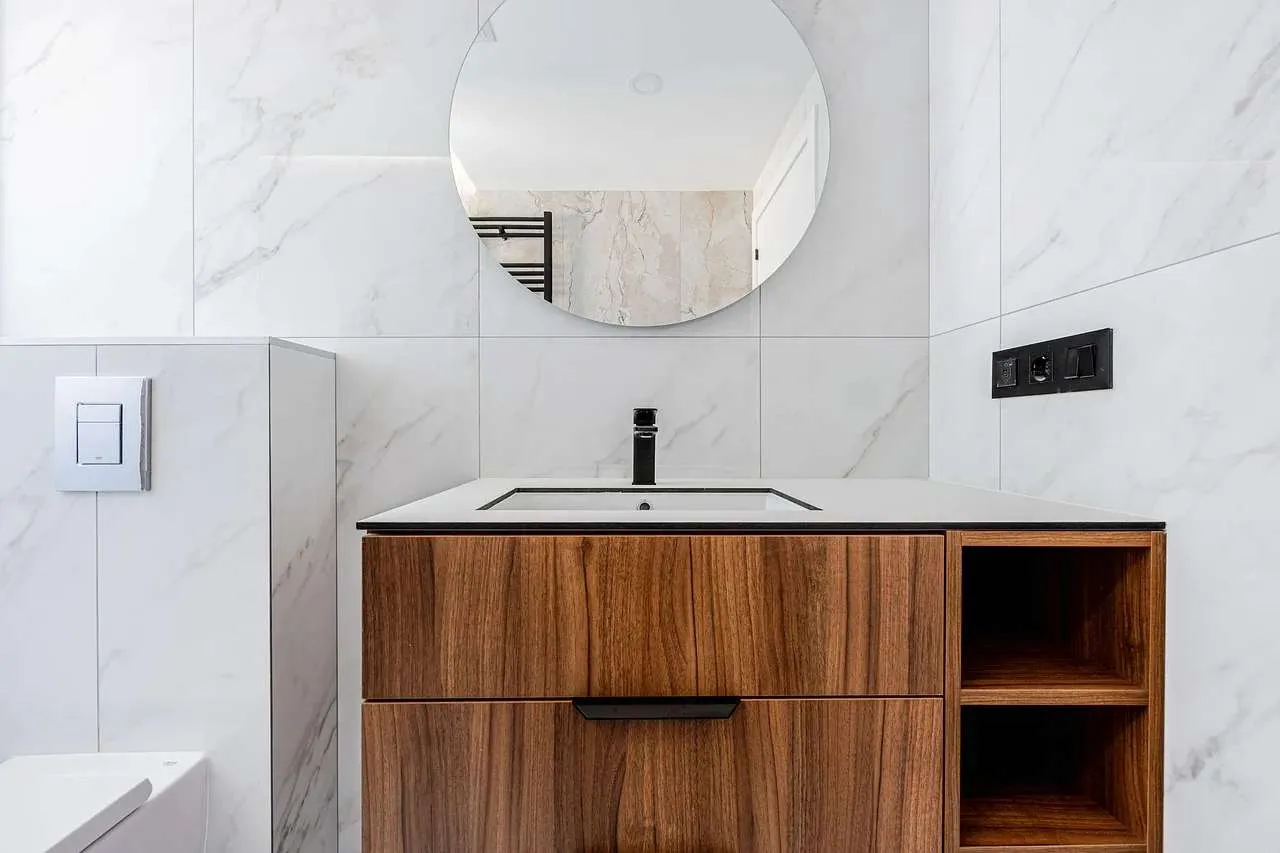
Small bathroom ideas are all about turning tight spaces into functional, comfortable zones. This guide covers layouts, storage, fixtures, lighting, and finishes that maximize space while keeping style high and durability in mind.
Smart layouts for tiny spaces
Begin with circulation and door placement. A pocket door can reclaim inches that are wasted by a standard hinged door and keeps pathways open. If a shower is the dominant wet area, consider a frameless glass enclosure to enhance openness. Place a wall-mounted vanity or floating shelf along an adjacent wall to free floor area for easy movement.
Storage and organization
Vertical space is your ally. Install tall, slender cabinetry or recessed niches above or beside the toilet. A mirrored medicine cabinet provides dual purpose: reflection and storage. In small baths, a wall-mounted vanity with drawers or pull-out organizers prevents countertop clutter and simplifies cleaning. Over-the-toilet storage and magnet strips for small metal items can help reduce clutter.
Fixtures and finishes
Choose compact, efficient fixtures. Wall-mounted toilets and corner or wall-mounted sinks create space where a traditional setup would feel cramped. Opt for a slim-profile vanity with integrated storage. Finishes matter: use light colors and large-format tiles to minimize grout lines and reflect more light; glass shower doors boost transparency and airiness. Ensure materials resist humidity and are easy to clean.
Lighting and color
A layered lighting plan makes a small bathroom feel larger. Combine a ceiling fixture with task lighting around the mirror and subtle niche lighting. Light, neutral tones with warm accents look clean and modern, while mirrors and polished surfaces reflect light to expand the perceived space. If there is a window, maximize natural light with sheer coverings and strategic mirror placement.
Budget and safety considerations
Plan a realistic budget and prioritize structural and moisture-resistance elements. Durable materials, water-saving fixtures, and energy-efficient lighting save money over time. For households with children or aging residents, include non-slip flooring, grab bars, and easy-access storage within reach of the sink and shower.
Practical design ideas table
| Idea | Pros | Cons | Best For |
|---|---|---|---|
| Pocket door | Saves space, smooth flow | Higher installation cost | Ultra-tight layouts |
| Wall-mounted vanity | Keeps floor clear, easier cleaning | Limited storage if small | Basin-centered designs |
| Corner sink | Maximizes corner usage | Reduced counter space | Very small footprints |
| Large-format tiles | Fewer grout lines, modern look | Requires precise installation | Visual spaciousness |
| Recessed shelving | Integrated storage | Installation complexity | Shower niches, showers |
Implementation checklist
Measure accurately, define zones (wet vs dry), plan plumbing and electrical early, select compact fixtures, and coordinate with a contractor if needed. Prioritize moisture resistance, slip resistance flooring, and easy maintenance to ensure longevity in small spaces.
Summary: This guide outlines practical, tested approaches to small bathroom ideas — optimizing layout with door choices, embracing vertical storage, choosing compact fixtures, and using light colors and layered lighting to create a roomy feel without sacrificing function.