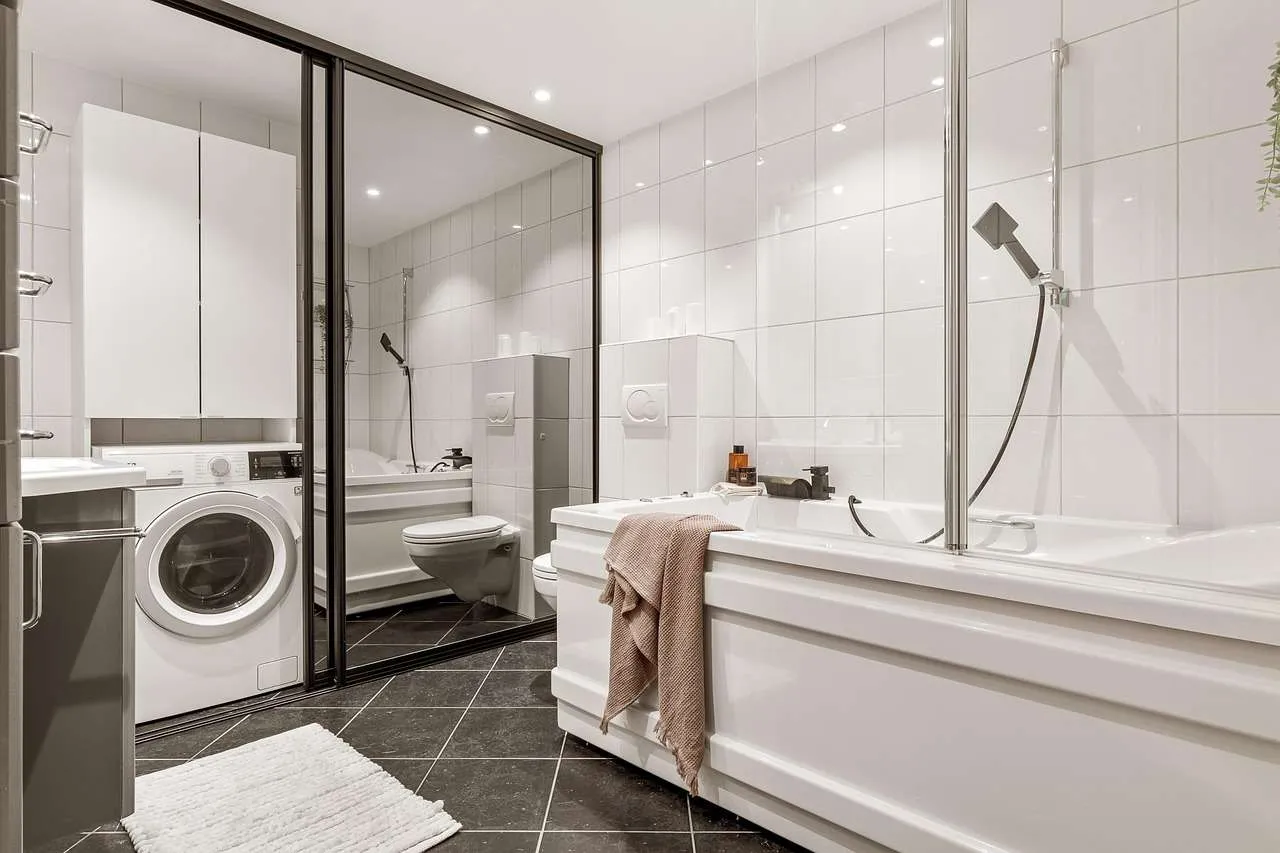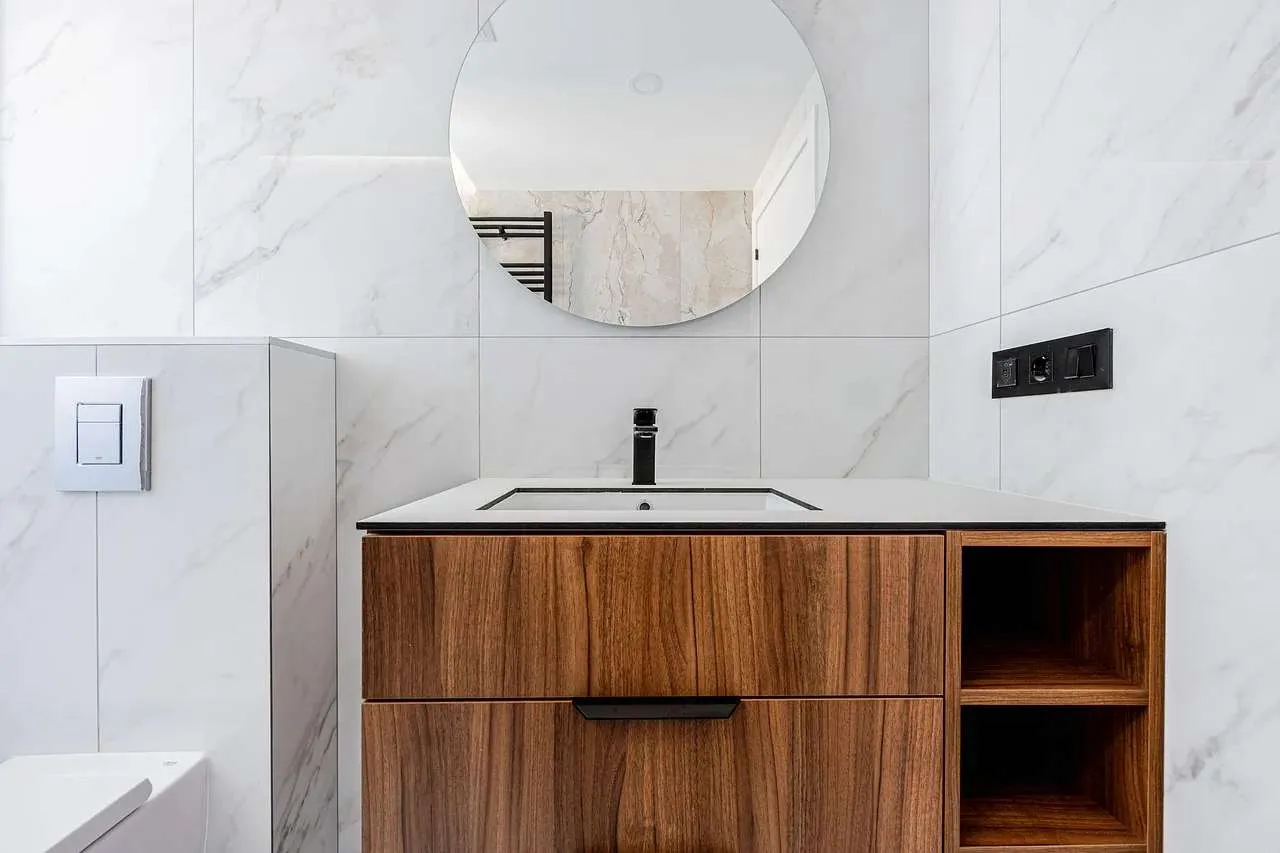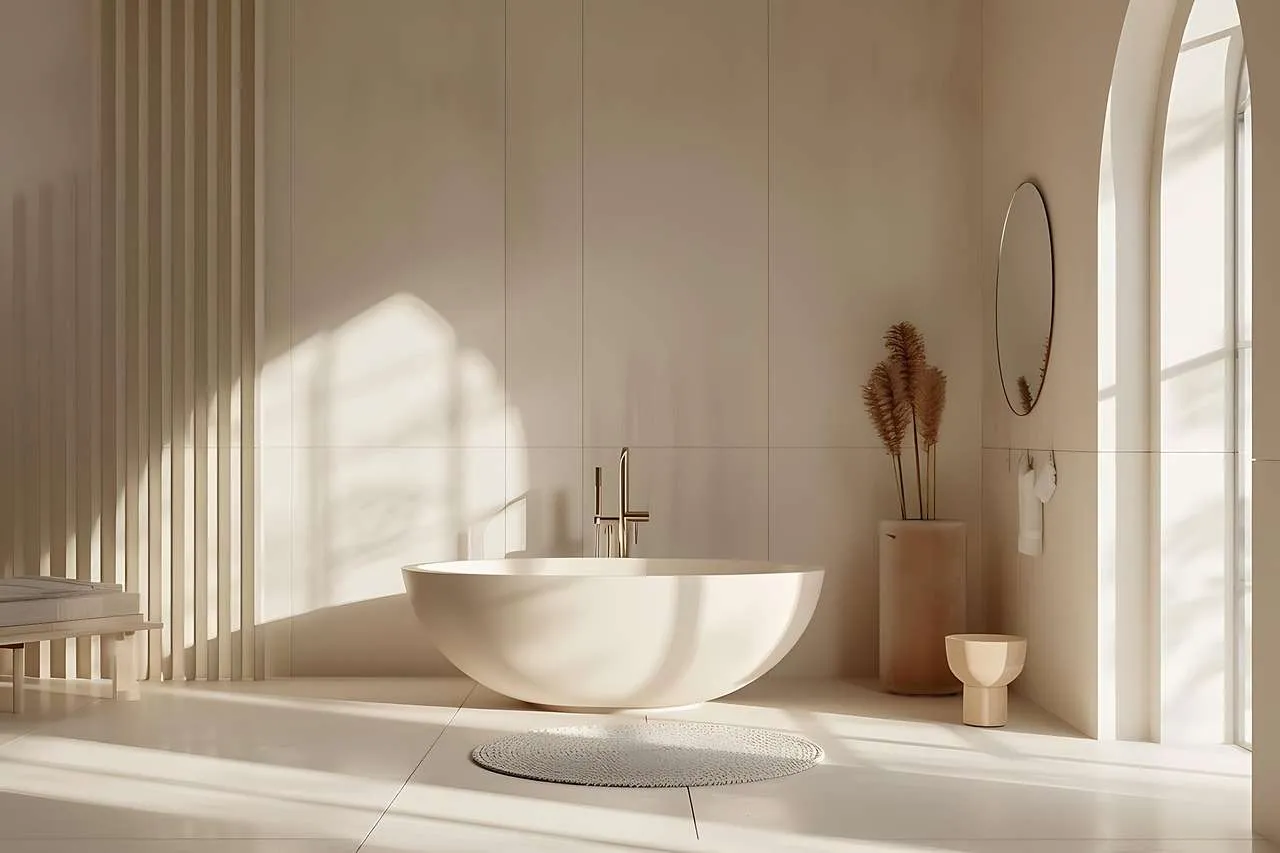
Bathrooms are not just functional spaces; they’re opportunities to express personality while improving daily routines. In this guide, a seasoned design perspective blends practical tips with style ideas to help you achieve rooms that feel both welcoming and efficient.
Smart planning for bathroom decor
Begin with a quick audit of how you use the space. Measure the footprint, note plumbing constraints, and identify storage gaps. A good plan balances aesthetics with accessibility, safety, and maintenance.
- Set a budget and allocate roughly 40% to fixtures, 30% to storage and surfaces, 10% to lighting, and 20% to accents.
- Define your nonnegotiable elements, such as a soaking tub, a walk-in shower, or a floating vanity.
- Choose a cohesive palette that ties together fixtures, cabinetry, and textiles.
- Plan lighting in layers: ambient ceiling lights, task lighting near mirrors, and accent lighting for mood.
Popular styles and how to implement
Modern minimalist
Modern minimalist bathrooms emphasize clean lines, monochrome pallets, and matte or satin finishes. Start with a floating vanity, frameless glass shower, and wall-hung mirrors to visually expand the space.
Coastal calm
Coastal bathrooms rely on light colors, natural textures, and reflective surfaces. Use pale blues or seafoam greens, ceramic or porcelain tiles with subtle grain, and woven baskets for dry storage.
Industrial chic
Industrial style blends metal fixtures, exposed hardware, and rugged textures. Consider a concrete-look tile, black metal hardware, and a wooden vanity with a matte finish to achieve balance.
Timeless classic
Classic baths use crisp whites, marble veining, and brass or pewter accents. Combine traditional tile layouts with durable stone and elegant hardware for a durable, elegant look.
Color palettes and materials
Color sets the mood more than any single element. For small baths, light neutrals with one bold accent wall can create depth without crowding. Materials should be durable and easy to clean: glazed ceramic or porcelain tiles, quartz countertops, tempered glass, and weather-resistant wood or porcelain veneers.
Storage, lighting, and accessories
Smart storage keeps a clean look. Use a wall-mounted vanity or pushed-to-the-wall cabinet to free floor space, add recessed niches in the shower, and select mirrors with integrated lighting. Layer lighting with ceiling fixtures, task lights, and ambient glow from LED strips behind a mirror. Add non-slip mats, plants, and cohesive hardware finishes to unify the space.
Comparison of decor styles
| Style | Look | Pros | Cons | Best for |
|---|---|---|---|---|
| Modern Minimalist | Clean lines, neutral tones | Feels spacious, easy to maintain | Can feel cold if overdone | Small spaces, urban homes |
| Coastal Calm | Light colors, natural textures | Bright and relaxing | Balanced lighting required | Bright bathrooms near windows |
| Industrial Chic | Metal accents, rugged textures | Character, durable | Harsh in tiny spaces | Lofts, modern conversions |
| Timeless Classic | White, marble, brass | Elegant, enduring | Higher cost | Primary baths, long-term style |
The best decisions come from aligning your space with how you use it. A bathroom that looks beautiful and functions well earns trust through careful choices and reliable materials. As a design professional with years of experience, I always recommend testing materials in person, especially tiles and countertop finishes, and verifying color accuracy under multiple light sources.
Conclusion, proper planning, style alignment, and thoughtful storage are the core pillars of successful bathroom decor ideas. A cohesive scheme makes daily routines more enjoyable while preserving value and safety.
Summary This article has explored planning, style options, color and materials, and practical tweaks for bathroom decor ideas. By combining a clear plan, tested materials, and a few well-chosen accents, you can create a bathroom that feels both personal and durable.