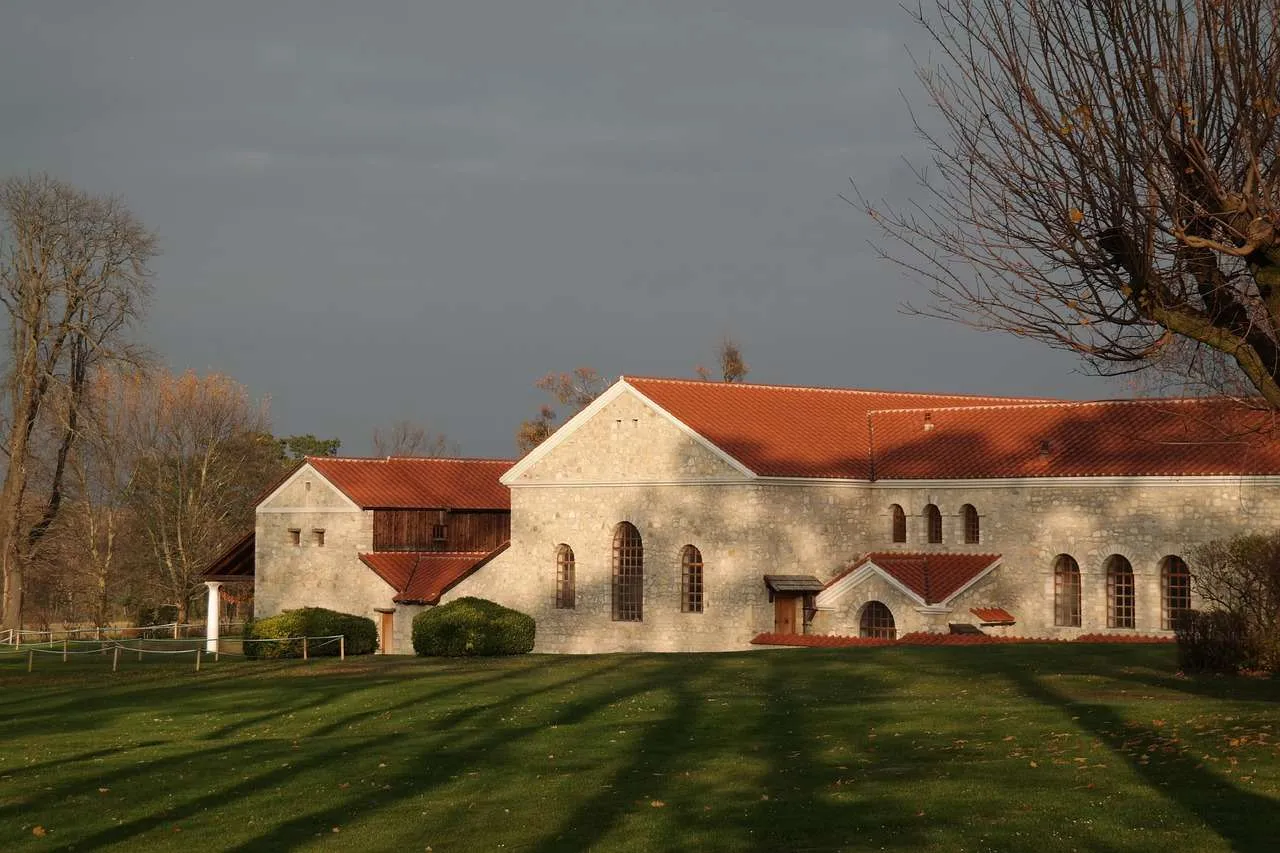
Roofing and Roof Repairs: Expert Guidance
Your roof is the shield for your home. Understanding roofing systems and how to manage roof repairs responsibly is essential for long-term protection, indoor comfort, and property value. This article shares practical, evidence-based guidance from experienced professionals, designed to help homeowners assess needs, budget wisely, and work with trusted contractors who adhere to high EEAT standards.
Understanding Roofing Systems
Roofing systems vary by material, climate, and architecture. The most common materials include asphalt shingles, metal, tile, and slate. Asphalt shingles offer affordable, versatile protection and typically last 15–30 years. Metal roofs provide durability and energy efficiency but at a higher upfront cost. Tile and slate offer exceptional longevity but require strong structural support and careful maintenance. Regardless of material, a proper roof system includes underlayment, flashing, ventilation, and an effective attic seal against moisture and heat transfer.
When Roof Repairs Are Needed: Signs to Watch For
- Visible leaks or stains on ceilings and walls.
- Curling, cracking, or missing shingles.
- Granule loss in gutters or on the ground near the home.
- Sagging roof sections or daylight visible through the attic.
- Ice dams, excessive moss, or algae growth.
Emergency vs Scheduled Roof Repairs
Emergency roof repairs focus on stopping water intrusion and preventing structural damage. This may involve temporary tarping, patching, or securing loose materials. Scheduled repairs address underlying issues, such as damaged flashing, deteriorated shingles, or failed underlayment, and are typically planned with a detailed estimate and warranty coverage. In both cases, safety is the priority; never climb onto a steep roof during wet or icy conditions.
The Repair Process: From Inspection to Warranty
- Call a licensed roofing contractor for a thorough inspection. Ask about credentials and references.
- Receive a written assessment detailing the cause, scope, and recommended repairs.
- Get multiple estimates, compare material options, and review warranty terms for labor and workmanship.
- Schedule the repair, ensure proper permits if required, and document the work with photos.
- Have the contractor perform the repair and perform a final inspection to verify quality and water tightness.
- Request a maintenance plan and a written warranty to protect future roof repairs.
Costs, Longevity, and Value
Costs for roofing and roof repairs vary by size, material, pitch, accessibility, and local labor rates. Minor leak fixes can be $150–$600, shingle patches $300–$1,000, partial repairs $1,000–$3,000, full replacements $5,000–$15,000, and emergency repairs often higher due to urgency. While upfront costs matter, consider long-term value: a well-executed repair or replacement protects insulation, reduces energy loss, and extends roof life, improving resale value.
Maintenance Tips to Extend Roof Life
- Schedule regular roof inspections, especially after storms or heavy seasonal changes.
- Keep gutters clean and ensure downspouts direct water away from the foundation.
- Remove leaves, branches, and debris that trap moisture and promote rot.
- Trim overhanging branches to reduce physical damage and moss growth.
- Maintain proper attic ventilation to prevent condensation and heat buildup.
- Address moss or algae promptly with appropriate cleaners and professional guidance.
- Inspect flashing around chimneys, skylights, and vents; reseal as needed.
Choosing a Roofing Contractor You Can Trust
- Verify licenses and insurance; request proof of coverage.
- Check local references and read independent reviews.
- Ask about warranties for materials and labor and who handles post-install issues.
- Request written estimates with itemized line items and clear scope.
- Ensure a formal contract that outlines payment schedule and change orders.
Comparison of Repair Options
| Minor leak fix | $150–$600 | Low cost, quick | May be temporary if underlying issue persists |
| Shingle replacement (patch) | $300–$1,000 | Stops leak, improves seal | May indicate broader wear |
| Partial roof repair | $1,000–$3,000 | Addresses critical area | Not a long-term fix if damage is widespread |
| Full roof replacement | $5,000–$15,000 | Long-term protection | Higher upfront cost |
| Emergency roof repair | $200–$1,000+ | Stops immediate damage | Costlier due to urgency |
Summary: By understanding roofing systems, recognizing repair needs, following a clear repair process, budgeting wisely, and selecting a trusted contractor, homeowners can protect their homes and maximize roof life.